
Spurs, Spur Straps & Riding Whips
Spurs, spur straps and riding whips are riding aids designed to help refine communication between horse and rider when used correctly and sensitively. Choose from equestrian spurs in various styles, quality spur straps and riding whips suitable for training and different equestrian disciplines. When selecting riding aids, always consider the rider’s experience, the horse’s sensitivity, intended use and the rules of the relevant discipline.


Product sorting
List of products


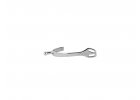
Stainless steel spurs with small toothed rowel that facilitate the action of the leg


Laces for spurs in soft leather with elastic and stainless steel buckle, perfect to be used on any occasion.


Spur straps in soft double leather and silver buckle, perfect for training and competitions.
Spurs, Spur Straps and Riding Whips for Precise Communication
Equestrian spurs and riding whips are aids used to refine the rider’s cues and communication with the horse.
They should always be used sensitively, appropriately and with correct riding technique. They are not a substitute for a balanced seat or correctly applied basic aids.
When choosing riding aids, consider the rider’s experience, the horse’s training and sensitivity, the equestrian discipline and any applicable competition rules.
Equestrian Spurs
Equestrian spurs are worn at the heel of riding boots and, when used correctly, allow the rider to refine leg aids.
They are available in various lengths, shapes and designs. Models may differ in neck length, tip shape, rowel design and surface finish.
The appropriate type should always be selected according to the rider’s experience, riding discipline and the individual horse.
Rounded Spurs
Spurs with rounded ends are a commonly used design.
The rounded end provides a different type of contact compared with sharper or more specialised designs. However, all types of spurs require correct and sensitive use.
The suitability of a particular model depends on the rider, horse and intended use.
Rowel Spurs
Rowel spurs feature a rotating wheel at the end of the spur neck.
The size and shape of the rowel can vary considerably between models, from smooth rounded wheels to more distinctive designs.
Rowel spurs require precise and controlled leg aids. The rider’s experience, the horse’s sensitivity and the intended discipline should always be considered before choosing this type.
Rubber-Covered Spurs
Rubber-covered spurs combine a metal construction with a rubber coating on selected areas.
The rubber layer can help keep the spur stable on the riding boot while reducing direct contact between the metal surface and the boot.
Specific features depend on the construction of the individual model.
How to Choose the Right Spur Length
The length of a spur affects how easily the rider can make contact with the horse’s side.
The appropriate length therefore depends on the proportions of both horse and rider, leg position, riding footwear and discipline.
A longer spur does not automatically provide a better or more precise aid. A stable leg position and controlled use are far more important.
For competition use, always check the current regulations regarding permitted spur types and dimensions.
Spur Straps
Spur straps are used to secure spurs to riding boots and help keep them correctly positioned.
They are available in leather and synthetic materials, usually with adjustable fastening.
In addition to their practical function, spur straps can also provide an elegant finishing detail. Choose from classic black and brown styles or more decorative designs.
How to Fit Spurs Correctly
Spurs are positioned around the heel area of riding boots or jodhpur boots according to the construction of the footwear and spur.
The strap should be fitted so that the spur remains stable and does not move unnecessarily while riding.
Spurs should not feel loose or unstable. When using a new pair for the first time, always check that they fit correctly with your particular riding boots.
Riding Whips
A riding whip is an aid used in different equestrian disciplines to support and refine communication with the horse.
Riding whips vary mainly in length, flexibility, handle design and intended use.
Shorter whips are commonly used in jumping and general riding, while longer dressage whips allow the rider to use the aid without significantly changing the position of the hands.
Short Riding Whips
Short riding whips are commonly used in disciplines and situations where a shorter, easily controlled aid is practical.
When choosing a whip, consider its length, weight, balance and handle.
The handle should sit comfortably and securely in the hand while allowing the rider to hold the reins correctly.
Dressage Whips
A dressage whip is longer than a standard short riding whip.
Its design allows the rider to use the aid while maintaining a normal riding position and hand position.
When choosing a dressage whip, check its overall length and any applicable rules for training or competition.
Lunge Whips
Lunge whips are significantly longer and are designed for groundwork and lunging.
Their length allows the handler to communicate with the horse while working at a greater distance.
A lunge whip should be used as a communication aid during groundwork rather than as a means of punishment.
How to Choose the Right Riding Whip
The intended use is one of the most important factors when choosing a riding whip.
Shorter models are generally used for jumping and everyday riding, longer dressage whips for dressage work and lunge whips for groundwork.
Also consider the whip’s weight, balance, flexibility and handle design.
If you plan to use the whip in competition, always check the current regulations regarding permitted types and maximum lengths.
Spurs and Riding Whips in Competition
The use of spurs and riding whips may be regulated at equestrian competitions.
Rules can vary according to discipline, competition level, rider category or event.
Before competing, always check the current rules of the relevant equestrian federation or event organiser.
The fact that a particular riding aid is commercially available does not automatically mean that it is permitted in every competition or discipline.
Caring for Spurs, Spur Straps and Riding Whips
Clean metal spurs regularly and check them for signs of damage. With rowel spurs, also make sure the wheel rotates correctly and is not damaged.
Leather spur straps should be cleaned and treated with suitable leather-care products according to the manufacturer’s instructions.
Store riding whips in a way that helps prevent unnecessary bending or damage to the shaft and handle.
Choose the Right Equestrian Riding Aids
At Greenfieldshop, you can find spurs, spur straps and riding whips for everyday training and equestrian sport.
When choosing spurs, consider their shape, length and tip design. For spur straps, focus on material, fit and compatibility. When selecting a riding whip, consider its length, balance and intended use.
Most importantly, every riding aid should be used correctly, sensitively and appropriately according to the experience of the rider and the individual horse.
Frequently Asked Questions
What are equestrian spurs used for?
Spurs are used to refine the rider’s leg aids. Correct use requires a stable leg position and sensitive, controlled application.
Which spurs are suitable for beginners?
The choice should reflect the rider’s experience and the horse’s sensitivity. Beginners should discuss the use of spurs with an experienced instructor and develop a stable leg position before introducing them.
How do I choose the right spur length?
The appropriate length depends on the rider’s and horse’s proportions, leg position, riding footwear and discipline. Competition regulations should also be considered.
What are spur straps used for?
Spur straps secure the spurs to riding footwear and help keep them correctly positioned.
What is the difference between a short riding whip and a dressage whip?
Short riding whips are commonly used for jumping and general riding. Dressage whips are longer and are designed for use during dressage work.
What is a lunge whip used for?
A lunge whip is used as a communication aid when working with a horse from the ground, particularly during lunging.
Can I use any spurs or riding whip in competition?
No. Permitted types, dimensions and use may be regulated by the rules of the individual discipline or competition. Always check the current regulations before competing.
Not sure which spurs, spur straps or riding whip to choose? We will be happy to help you select the right type and design according to your needs and riding discipline.